Index
Receive our newsletter
According to its official statistical yearbook, the University of Seville enrolls more than 71,000 students for the 2024 to 2025 academic year, a figure that highlights the city’s appeal as a study destination. Seville stands out for its deep history, strong traditions, and remarkable architecture. Alongside this cultural heritage, it offers a well-established academic environment, so it is helpful to understand a few practical aspects before beginning this new chapter.
Where to study: universities and academic environment
Seville’s higher education landscape is known for its variety. The University of Seville, with more than five centuries of history, combines historic landmark buildings with modern facilities. Its academic programs cover nearly every field of study. Campus life tends to be highly engaged, with conferences, exhibitions, and research initiatives taking place throughout the year.
Pablo de Olavide University provides a more contemporary setting. Many students choose it for its integrated campus surrounded by green areas and its strong international outlook. Numerous foreign institutions maintain exchange agreements with the university, creating an open and globally connected student community. The city is also home to private institutions, business schools, and specialized academies focused on areas such as art, gastronomy, and design.
Cost of living and daily life
Living in Seville is generally more affordable than in other major Spanish cities. On average, monthly expenses range between 800 and 1,000 euros, though costs can be reduced by sharing housing or choosing neighborhoods outside the historic center. Public transportation is reasonably priced, and many students get around by bike or scooter for convenience and sustainability.
How to find housing
Securing accommodation may feel challenging at first, but Seville offers a broad range of options. University residences are convenient because they include services and organize shared activities. Shared apartments are another popular choice, offering independence while helping reduce expenses and build friendships.
The rental market is especially active in neighborhoods such as Los Remedios, Nervión, and Triana. Many students also settle in emerging areas like San Bernardo or La Macarena, where prices are lower and transportation connections remain strong.
Specialized student housing platforms have made the process easier and more secure. Digital ecosystems such as Lodgerin allow students to reserve an apartment before arriving in the city, reducing uncertainty. Planning ahead is essential, particularly in the months leading up to the start of the academic year.
Getting around the city
The Andalusian capital is easy to navigate. Its transportation network includes metro, trams, city buses, and commuter trains. Traveling from downtown to the Pablo de Olavide campus takes just over twenty minutes.
Local authorities and official tourism sources report that Seville’s bike lane network exceeds 180 kilometers, placing it among the Spanish cities with the most extensive urban cycling infrastructure. Some local sources mention more than 200 kilometers including recent expansions, with coverage across most of the city.
Social life and urban culture
Few places combine student life and local traditions so naturally. Bars in Triana serve as major gathering spots, while Alameda de Hércules fills with outdoor terraces and informal concerts. University events regularly bring together students from across the globe. Many newcomers appreciate how quickly they feel integrated.
Cultural offerings extend far beyond historic landmarks. Seville features contemporary museums, European film festivals, book fairs, and independent theater programs. Its proximity to both the coast and the mountains makes weekend trips easy to plan. Learning how to balance academic responsibilities with these experiences becomes part of the journey.
Administrative steps and first essentials
Students arriving from other regions or countries should complete a few basic formalities during their first weeks. Registering with the local city hall, opening a Spanish bank account, or obtaining the European Health Insurance Card are straightforward but necessary tasks. Most universities provide student support offices where questions are answered in multiple languages. Taking advantage of this assistance helps avoid delays and allows students to focus on adapting to their courses.
It is also important to understand the academic calendar. In Seville, classes typically begin in late September, with exam periods spread between January and June. The generally pleasant climate shapes daily routines, as academic activity blends with outdoor social life throughout the year. During the hottest summer months, schedules often adjust to avoid midday heat.
A place to learn and grow
Studying in Seville encourages independence, cultural awareness, and meaningful connections. Its rich past coexists with a young population that drives new initiatives and builds community. Even after returning home, many carry the experience with them. That may explain why some eventually come back, no longer as students, but as individuals who once discovered in Seville a distinctive way to learn and grow.
For students considering destinations such as Milan or Rome, this guide provides useful comparisons about studying in Italy.
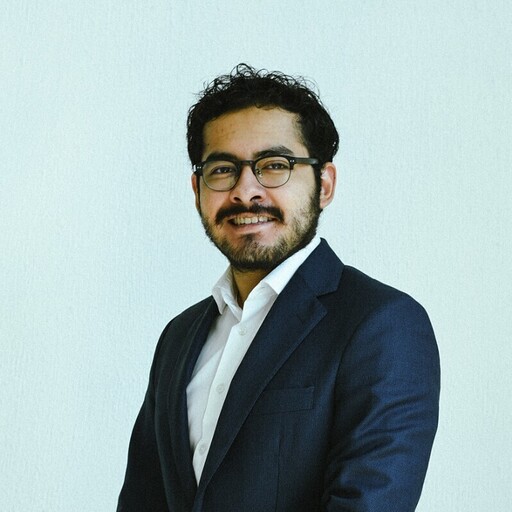
Jorge Padilla
Jorge Padilla, with a degree in Business Administration from Tecnológico de Monterrey and a Master’s in Marketing from Trinity College Dublin, has three years of experience in eCommerce and marketing across sectors such as Food Service, Tourism, and Education. He has worked in international environments in LATAM, Dublin, and Madrid, and holds a Google Digital Marketing certification. He is currently a Marketing Assistant at Lodgerin, managing digital campaigns, SEO optimization, and strategies for brand growth and conversion.