.jpg)
Index
Receive our newsletter
Münster, located in northwestern Germany, is widely known as "Germany's cycling capital” and has an extensive network of bike paths covering the entire city. Approximately 100,000 people cycle every day. This cycling culture not only contributes to a cleaner and healthier environment but is also an integral part of the city's identity.
The international and student-friendly atmosphere of Münster is another of its most distinctive features. With over 60,000 students in a population of around 330,000 inhabitants, the student presence is highly noticeable. The city offers numerous events and activities aimed at international students, such as language tandems, themed parties, and excursions. This cosmopolitan and youthful environment is reflected in daily life, from its cafés and bars to its cultural and recreational spaces, creating a welcoming atmosphere for students from all over the world.
How to get to Münster?
Münster has the Münster-Osnabrück International Airport (FMO), located about 25 km from the city center. From there, several transportation options are available to reach the heart of Münster:

Bus: the S50 and D50 lines connect the airport to Münster Central Station (Hauptbahnhof) in approximately 45 minutes. The ticket costs around €7.

Train from nearby cities: Münster has a well-connected main train station (Hauptbahnhof). From Düsseldorf or Hamburg, high-speed trains (IC/ICE) take between 1.5 and 2.5 hours to reach the city.

Taxi & Rideshare: a taxi ride from the airport to the city center costs between €50 and €90, with an estimated duration of 25 minutes. Services such as Uber and Bolt are also available.
Living in Münster
What is the cost of living in Münster?
Münster is a student-friendly city, where renting a room in a student residence costs around €300, and a shared apartment (WG) ranges between €500 and €700 per month. Supermarkets and cafés offer affordable options for students, and the city provides numerous free or low-cost activities.
How to move around Münster?
Münster’s public transportation system is efficient and accessible, but bicycles are the primary means of transport. Additionally, the city offers the Kultursemesterticket, a significant benefit for students: this semester ticket allows free use of public transport within the city and surrounding areas. This includes buses and regional trains, making student mobility easier while significantly reducing transport costs.
Buses: Operated by Stadtwerke Münster, they connect the entire city and its surroundings. A single ticket costs around €3, while a monthly pass ranges from €60-80.
Taxis and rideshare: available throughout the city, with initial fares starting at €4.
Bicycles: known as the "city of bicycles," Münster has an extensive network of bike paths and numerous bike rental points.
What are the best universities in Münster?
Münster is an academic hub in Germany, attracting students from around the world thanks to the high quality of its universities and research programs.

Westfälische Wilhelms-Universität Münster (WWU)
Founded in 1780, it is one of Germany’s largest and most prestigious universities. It excels in humanities, social sciences, and natural sciences, with a strong focus on international research.
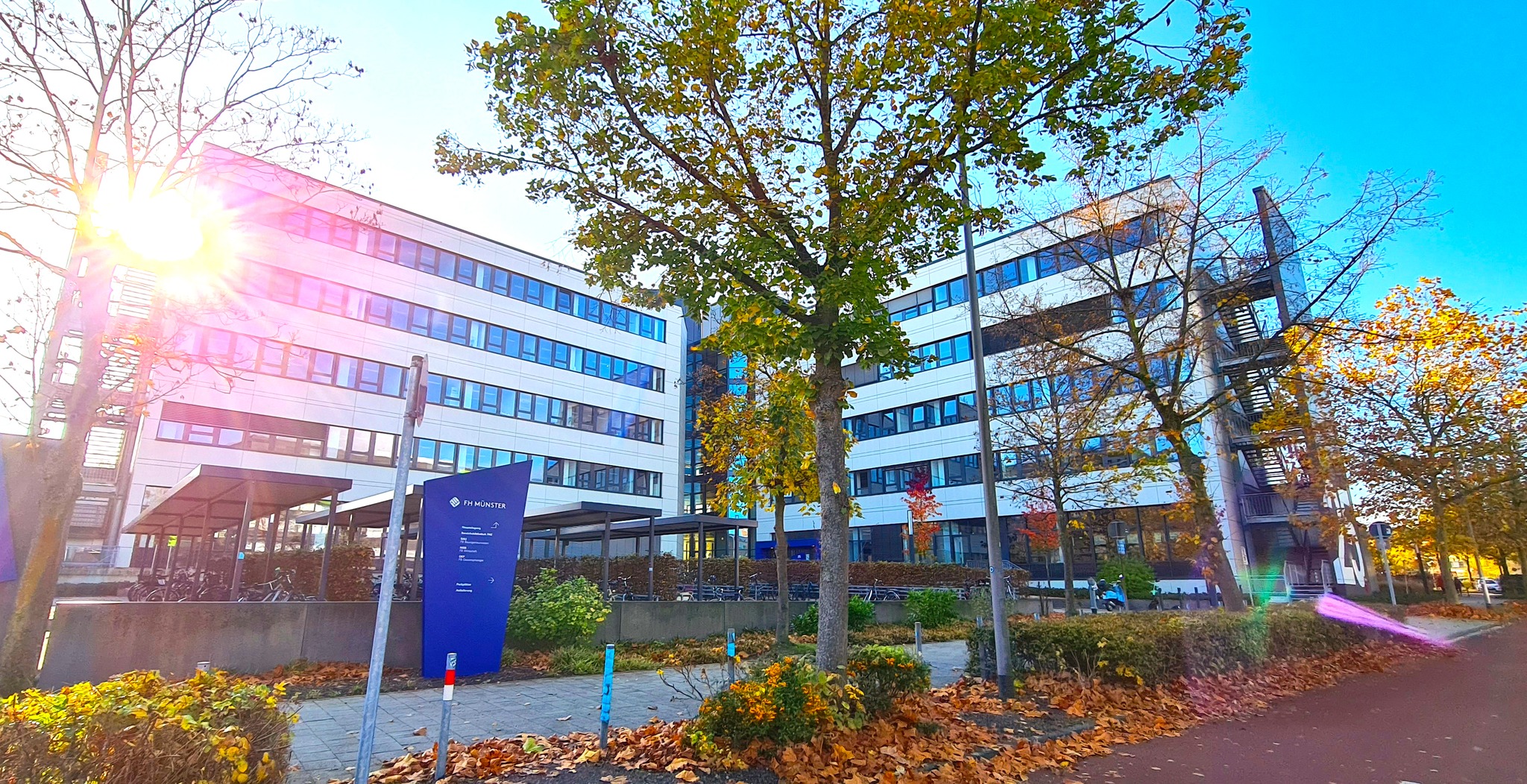
Fachhochschule Münster (FH Münster)
With a practical approach, this university of applied sciences offers programs in engineering, design, business, and health sciences. It is recognized for its industry connections and internship opportunities.
.png)
Katholische Hochschule Nordrhein-Westfalen
(KatHO NRW, Münster campus) Specializing in social work, pedagogy, and theology, this university of applied sciences trains professionals in social intervention and education with a humanistic approach.
.jpg)
Philosophisch-Theologische Hochschule Münster
A specialized university in philosophy and Catholic theology, focusing on the academic and pastoral training of students interested in religious studies, ethics, and humanities. Its emphasis on critical reflection and interreligious dialogue makes it a unique option in Münster.
Tourism in Münster
What are the best parks in Münster?
Münster is a city with vast green spaces, providing both tranquility and opportunities for outdoor activities. Its parks are perfect for wal, sports, or simply relaxing. One of the most prominent is Aasee Park, the city’s green lung, which features a large lake surrounded by walking trails and green areas where students often gather for picnics or engage in water sports like kayaking and rowing. The surrounding cafés and terraces offer spectacular views, making it a popular social spot.
Similarly, the Botanischer Garten, located on the University of Münster campus, boasts over 8,000 plant species arranged in thematic gardens, offering a peaceful retreat for relaxation between classes or a chance to learn about botany in its well-maintained greenhouses.
Additionally, Schlosspark, which surrounds Münster Palace, blends gardens and scenic pathways, making it an excellent spot for jogging or enjoying a peaceful walk in a historic setting.
What monuments and historical sites does Münster have?
Münster has a rich history reflected in its streets and buildings, with iconic sites showcasing its medieval past and modern evolution.
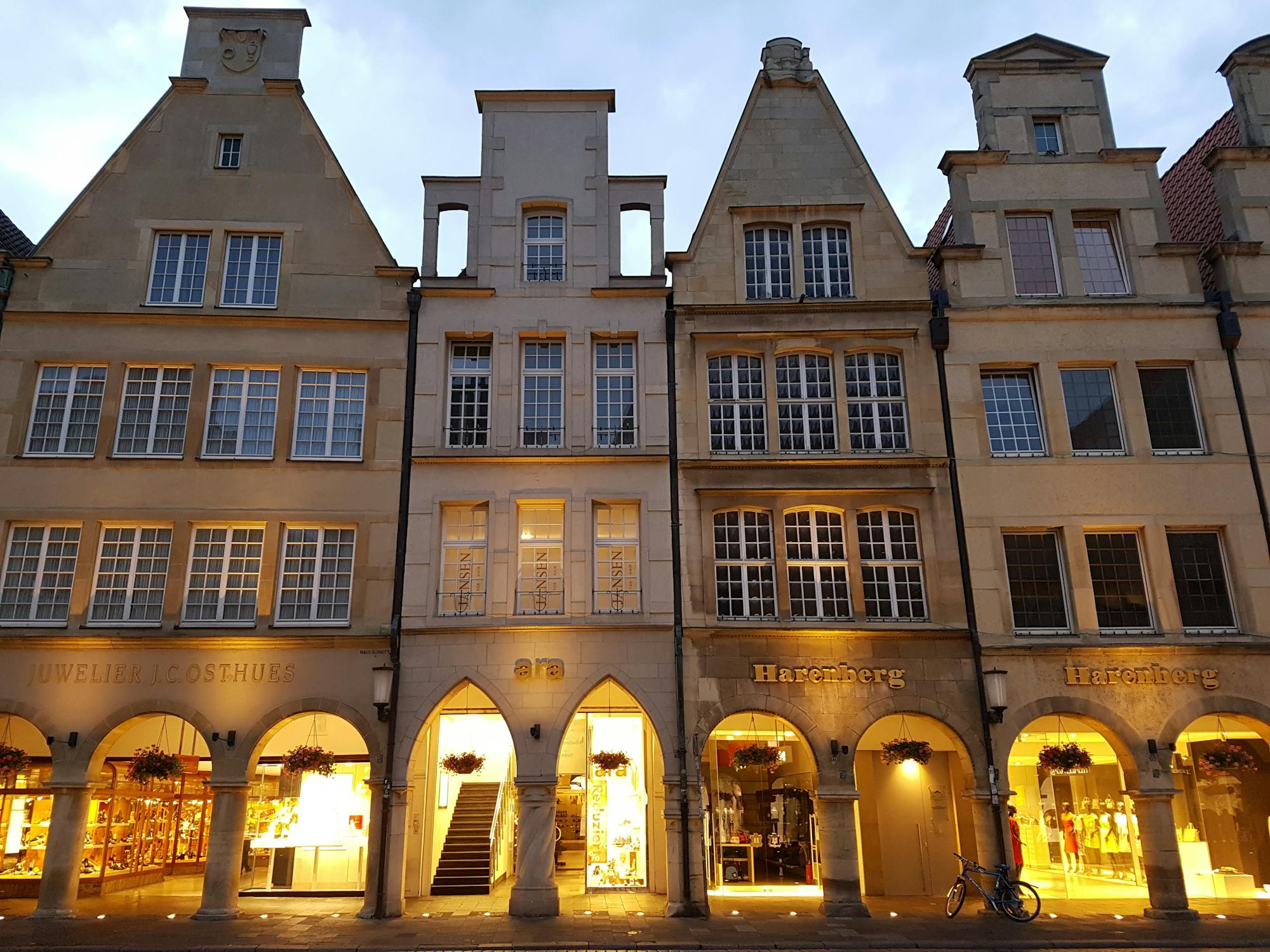
Prinzipalmarkt
The heart of the city, this cobblestone street is lined with historic buildings with arcades, home to exclusive shops, cafés, and traditional restaurants. Its unique atmosphere makes it one of the most photographed places in Münster.
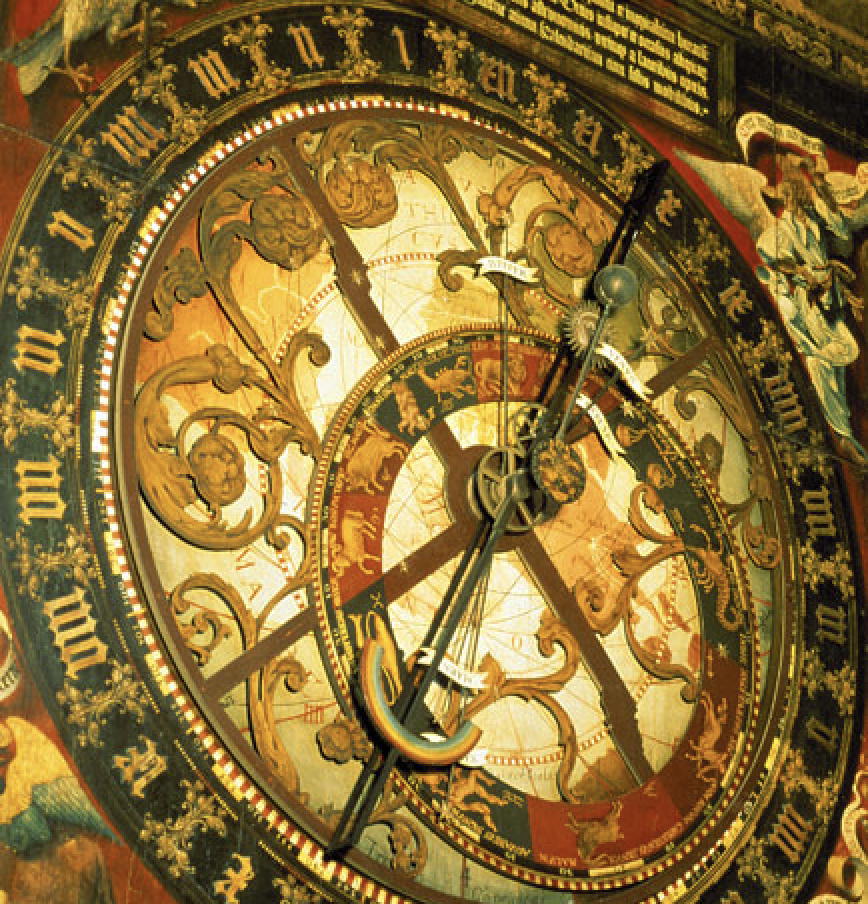
St. Paul's Cathedral
Built in the 13th century, this Gothic landmark features a medieval astronomical clock, attracting visitors with its complex mechanics and historical symbolism.
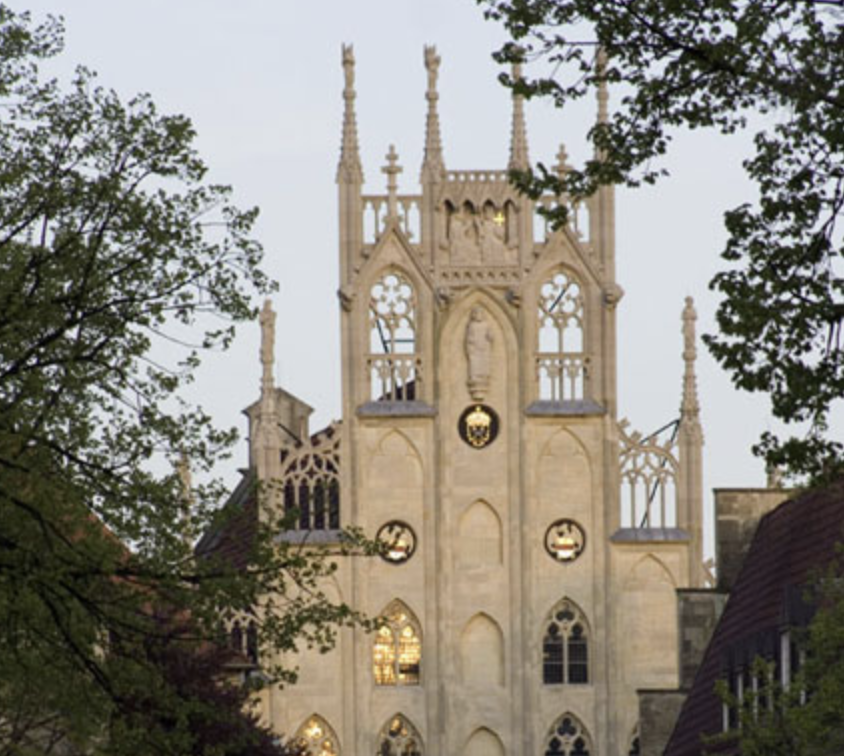
Rathaus (Town Hall)
This historic site is where the Peace of Westphalia was signed in 1648, ending the Thirty Years’ War. Its imposing Gothic façade and historical significance make it a must-visit. Inside, visitors can explore exhibits detailing the city's role in European history.
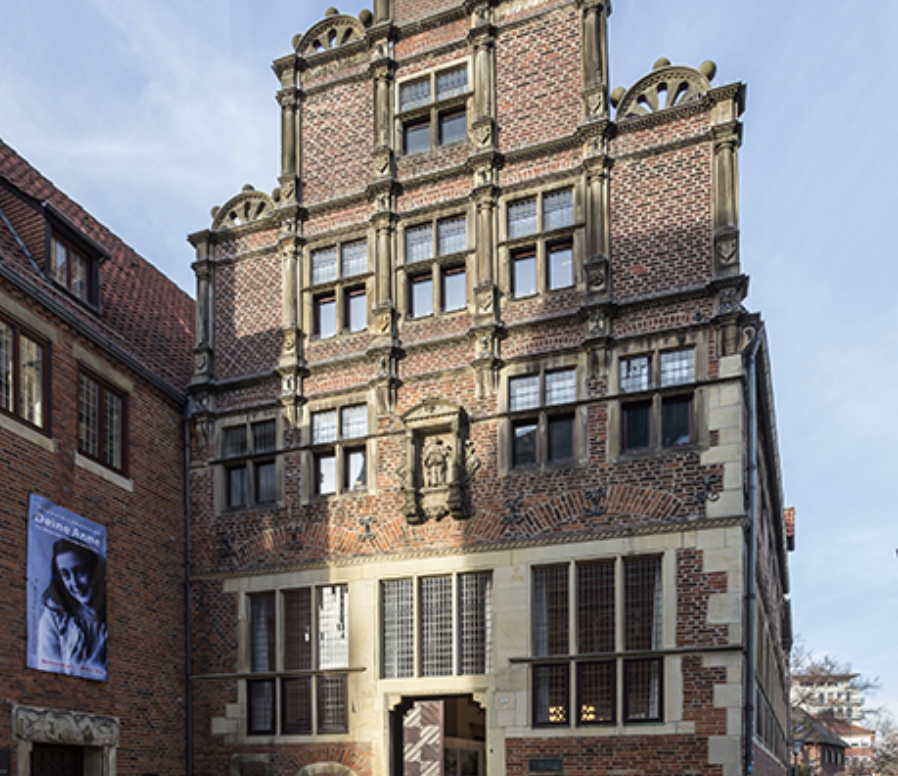
Krameramtshaus
A beautifully preserved 16th-century guild house that once served as a meeting place for merchants. Today, it houses exhibitions and provides insight into Münster’s medieval trade history.
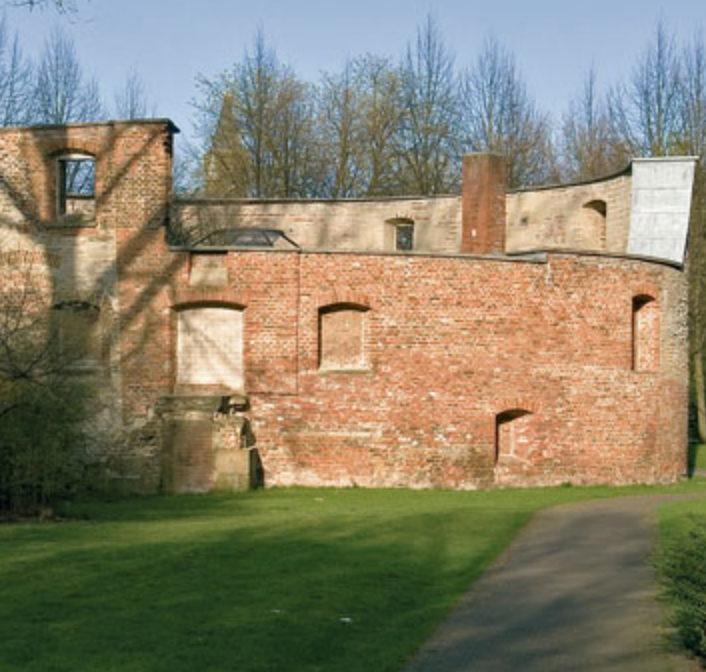
Zwinger
A fortress-like structure dating back to the 16th century, originally built for defense and later used as a prison. Now a memorial and museum, it offers a deeper look into Münster’s military and wartime past.
What museums are there in Münster?
Münster has a thriving cultural scene, with museums covering classical art, local history, and renowned artists. The LWL-Museum für Kunst und Kultur houses an impressive collection of art spanning from the Middle Ages to contemporary works, featuring Rembrandt, Warhol, and other renowned artists. Its vast collection includes paintings, sculptures, and historical artifacts, making it one of the most important cultural institutions in the region. The museum regularly hosts temporary exhibitions, lectures, and guided tours, offering visitors a deeper insight into the evolution of art and culture over the centuries.
The Stadtmuseum Münster offers a detailed collection exploring the city's medieval past to modern times, with a special focus on the Peace of Westphalia and its impact on European history. The museum showcases historical documents, paintings, and artifacts, providing an in-depth look at Münster’s role in shaping European diplomacy. Visitors can also explore interactive exhibits that bring the city's history to life, making it an engaging experience for history enthusiasts.
The Picasso Museum is the only one of its kind in Germany, dedicated to the graphic works of Pablo Picasso. Its collection includes over 800 lithographs, showcasing the evolution of his style and techniques. The museum offers a fascinating perspective on Picasso’s creative process, displaying works that range from his early sketches to his more experimental later pieces. It also hosts rotating exhibitions and educational programs, making it a key cultural landmark for both art lovers and students.
Leisure in Münster
What is the nightlife like in Münster?
Münster’s nightlife is more relaxed than in larger German cities but features a variety of bars and clubs with different music styles and atmospheres.

Destille
A classic student bar, known for its relaxed atmosphere and affordable prices. Located near the city center, it’s the perfect spot to grab a beer with friends or enjoy its iconic “meter beer” (shared beer towers).
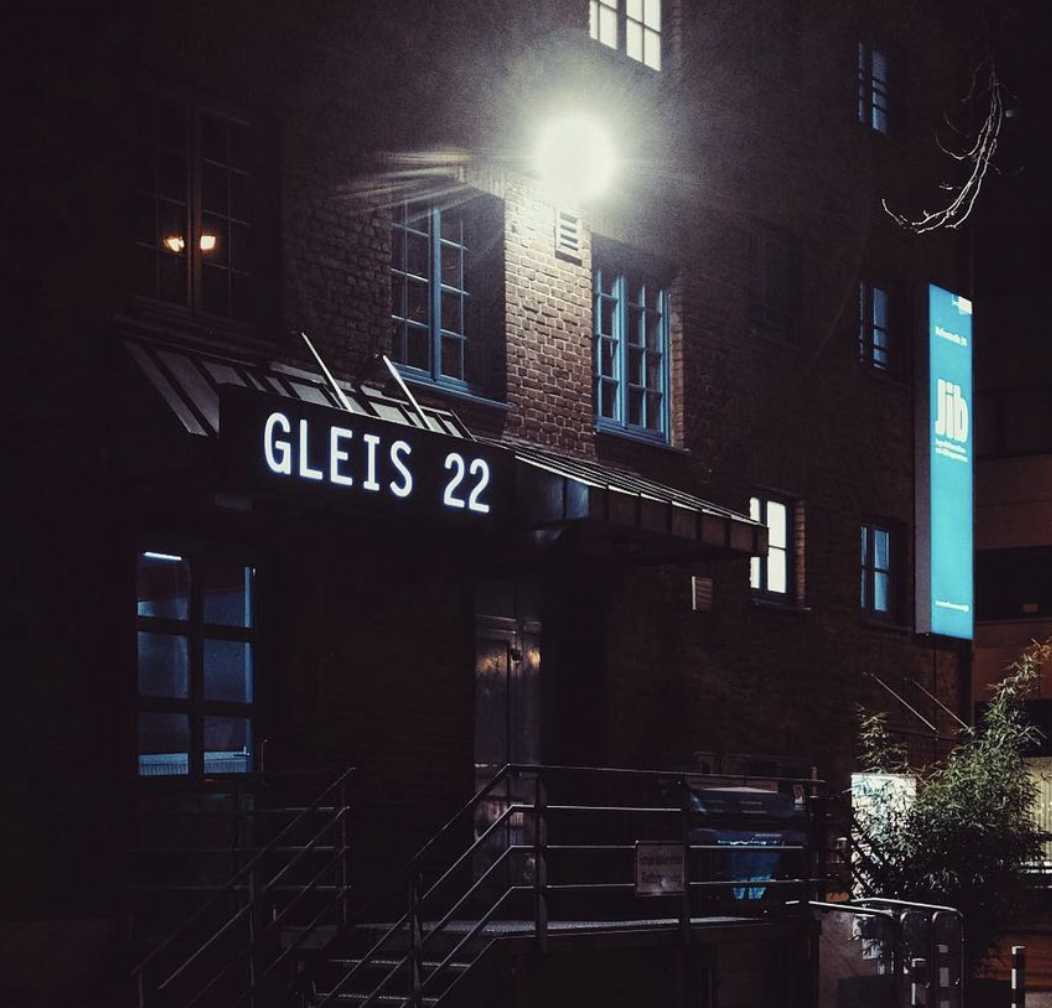
Gleis 22
With a large dance floor and live performances, this club is a go-to destination for those looking for commercial music and high-quality shows. Its modern design, excellent sound system, and vibrant atmosphere make it a favorite among locals and tourists.

Hot Jazz Club
An ideal spot for techno and alternative music enthusiasts, this nightclub is located in a former ink factory that has been transformed into a dynamic venue. It features a varied lineup of international DJs and offers a unique atmosphere with live music performances in an outdoor garden, making it a must-visit destination for electronic music lovers.
Where to go shopping in Münster?
Prinzipalmarkt is considered the commercial heart of Münster and the most iconic shopping destination in the city. This historic street is lined with elegant fashion stores, traditional jewelry shops, bookstores, and antique stores, all housed in buildings with beautiful facades and arcades. It is the ideal place to find high-end products and enjoy the unique atmosphere of the old town.
Another important shopping street is Salzstraße, one of the oldest in the city. Here, visitors can find exclusive boutiques, design stores, and charming cafés. This area is perfect for a relaxed shopping experience, offering unique and locally crafted items.
For those looking for a more modern shopping experience, Münster Arkaden is the best choice. This shopping center has a wide selection of fashion, technology, and gastronomy options, making it one of the most frequented places by students and locals alike.
For a more traditional shopping experience, Wochenmarkt Münster is the place to go. Located in Cathedral Square, this weekly market is perfect for finding fresh produce, flowers, artisan bread, and regional specialties. It is a must-visit for those who want to experience Münster’s local flavors and traditions.





.jpg)

.jpg)
%201.png)
.jpg)
.jpg)

.jpg)