Index
Receive our newsletter
Liverpool, located in northwest England, is a city rich in history, culture, and energy. Known worldwide as the birthplace of The Beatles, it also stands out for its maritime heritage, football teams, and remarkable architecture. The Port of Liverpool, a UNESCO World Heritage Site, reflects its commercial past and global connections. With a thriving cultural scene that includes theaters, galleries, and international events, Liverpool has much to offer.
How to get to Liverpool?
Liverpool has various transport options that make it easily accessible from across the UK and beyond. Its airport, Liverpool John Lennon Airport, along with train stations and maritime connections, provides convenient alternatives for travelers. Below is how to reach the city center from the airport.

Bus: the most affordable way to reach downtown Liverpool. Routes 500, 80A, 82A, and 86A, operated by Arriva and Stagecoach, connect Liverpool John Lennon Airport to the city center. Travel time ranges from 25 to 60 minutes, depending on the route and stops, with fares averaging between £2 and £3 per trip.

Taxi and rideshare: local taxis and services like Uber offer direct transfers to Liverpool’s center. Taxi fares average around £25, while Uber rides can start at £15, depending on demand and traffic.
Living in Liverpool
What is the cost of living in Liverpool?
Liverpool is one of the most affordable cities in the UK compared to London and other major urban areas. Rent prices range from £500 to £1,000 per month, depending on location and housing type. A monthly transport pass costs around £60, and basic expenses like food and utilities remain moderate. You can calculate detailed expenses using Expatistan.
How to move around Liverpool?
Liverpool has an efficient transport system that makes moving around the city easy:

Metro (Merseyrail): connects the city center with suburban areas and nearby towns like Chester and Southport. Fares vary based on distance and ticket type. The Day Saver costs £4.70 for one zone and £6.20 for all zones.
Bus: operated by Arriva and Stagecoach, they cover the entire city with fares starting at £2.50 per trip and monthly passes from £60.
Taxis and rideshares: Uber and local taxis are available for quick and convenient transport, with starting fares of around £3.50.
What are the best universities in Liverpool?
Liverpool has a strong academic tradition and is home to institutions recognized nationally and internationally. Its universities stand out for high-quality education, cutting-edge research, and a diverse student community. Their campuses are integrated into urban life, providing access to modern facilities and a rich cultural environment.
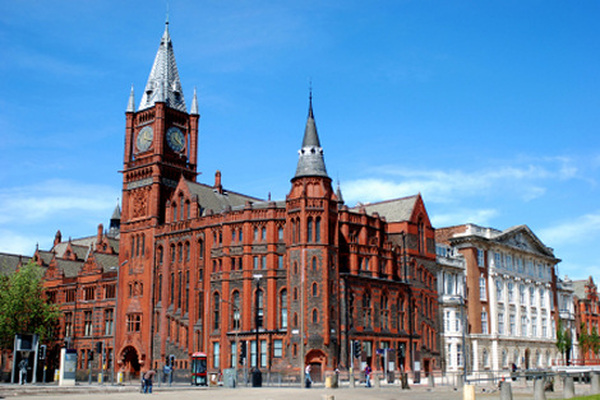
University of Liverpool
Internationally renowned, particularly for research, engineering, and health sciences. Its modern campus attracts students from around the world.
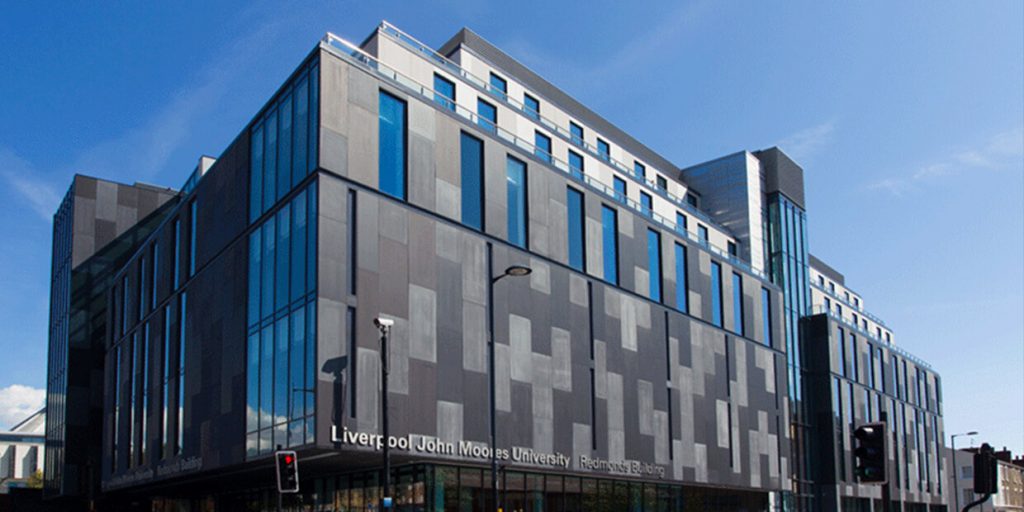
Liverpool John Moores University
Well-regarded for programs in technology, business, and creative media, with strong industry connections.
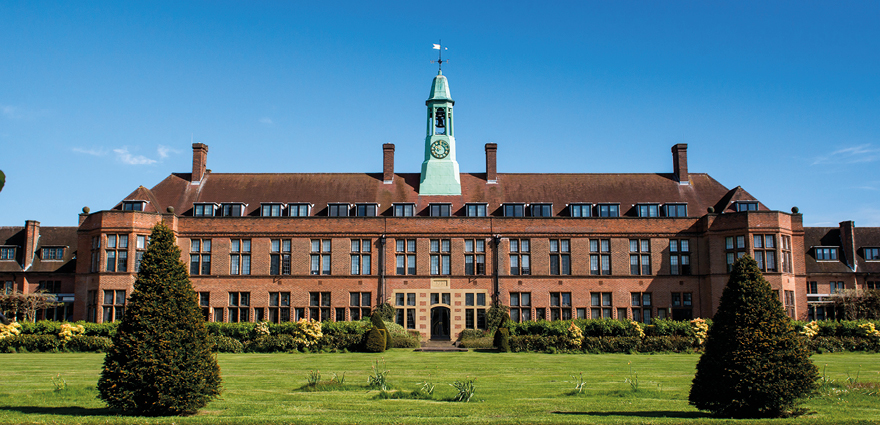
Liverpool Hope University
Specializes in humanities, education, and religious studies, offering a welcoming academic environment.
.jpeg)
Liverpool School of Tropical Medicine (LSTM)
Founded in 1898, it is a pioneer in global health research and education, focusing on infectious diseases and tropical medicine.
Tourism in Liverpool
What are the best parks in Liverpool?
Liverpool has numerous parks and green spaces ideal for relaxation and outdoor activities. Sefton Park, with 95 hectares of Victorian-era design, is one of the city’s most well-known. Its tree-lined paths, lake with aquatic birds, and the Palm House, a glass greenhouse with exotic plants, create a perfect setting for walks and picnics. Stanley Park, located between Anfield and Goodison Park, features Victorian gardens, fountains, and spacious green areas, offering a peaceful place to unwind.
Another highlight is Calderstones Park, known for its botanical garden and Reader House, a cultural center promoting literature. It is also home to the Calder Stones, prehistoric megaliths that add historical significance. The park’s combination of nature and history makes it a unique destination in the city.
What monuments and historical sites does Liverpool have?
Liverpool has a rich cultural and architectural heritage, reflected in its landmarks and historic sites.
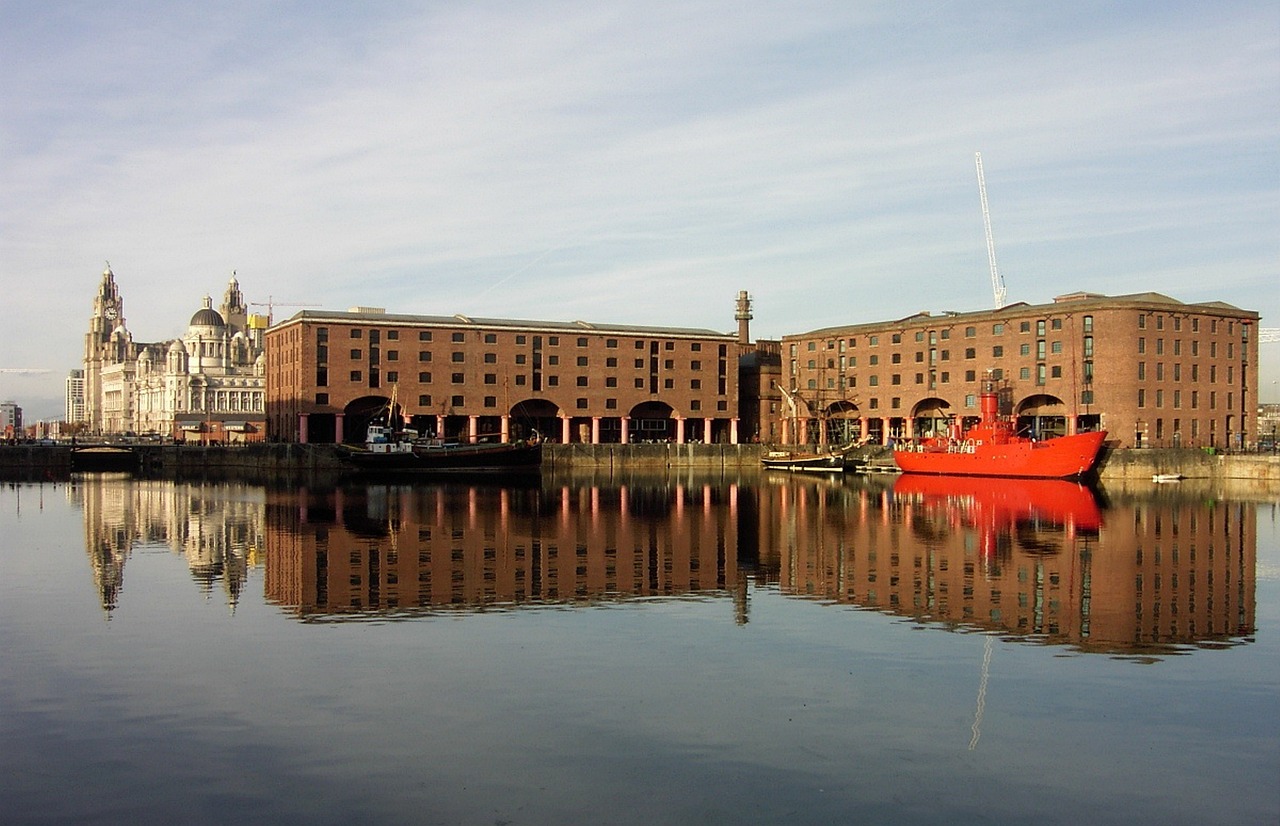
Royal Albert Dock
A UNESCO World Heritage Site, this waterfront complex features restaurants, shops, galleries, and museums, including Tate Liverpool and the Merseyside Maritime Museum. Its restored industrial architecture and harbor views make it an essential visit.
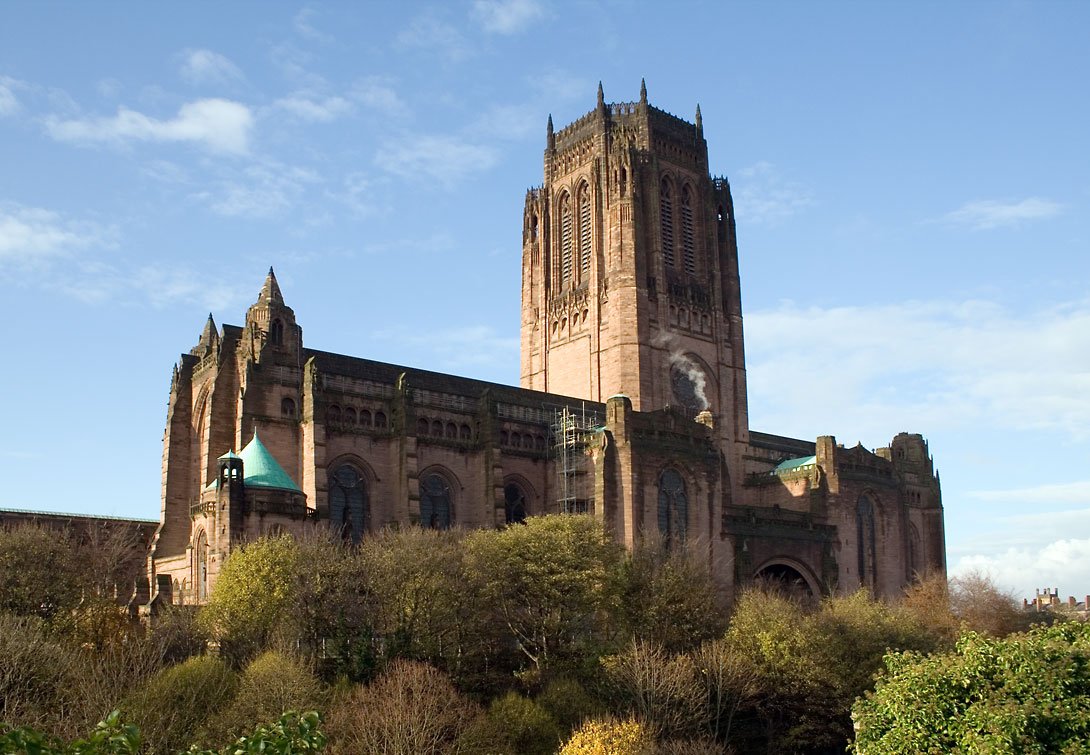
Liverpool Cathedral
One of the largest cathedrals in the world, built in a neo-Gothic style. It features a towering structure, impressive stained-glass windows, and the UK’s heaviest bell. Its observation deck offers panoramic city views.

Metropolitan Cathedral
A striking modern architectural landmark with a circular design and a vibrant stained-glass dome. It serves as the center of Liverpool’s Catholic community.
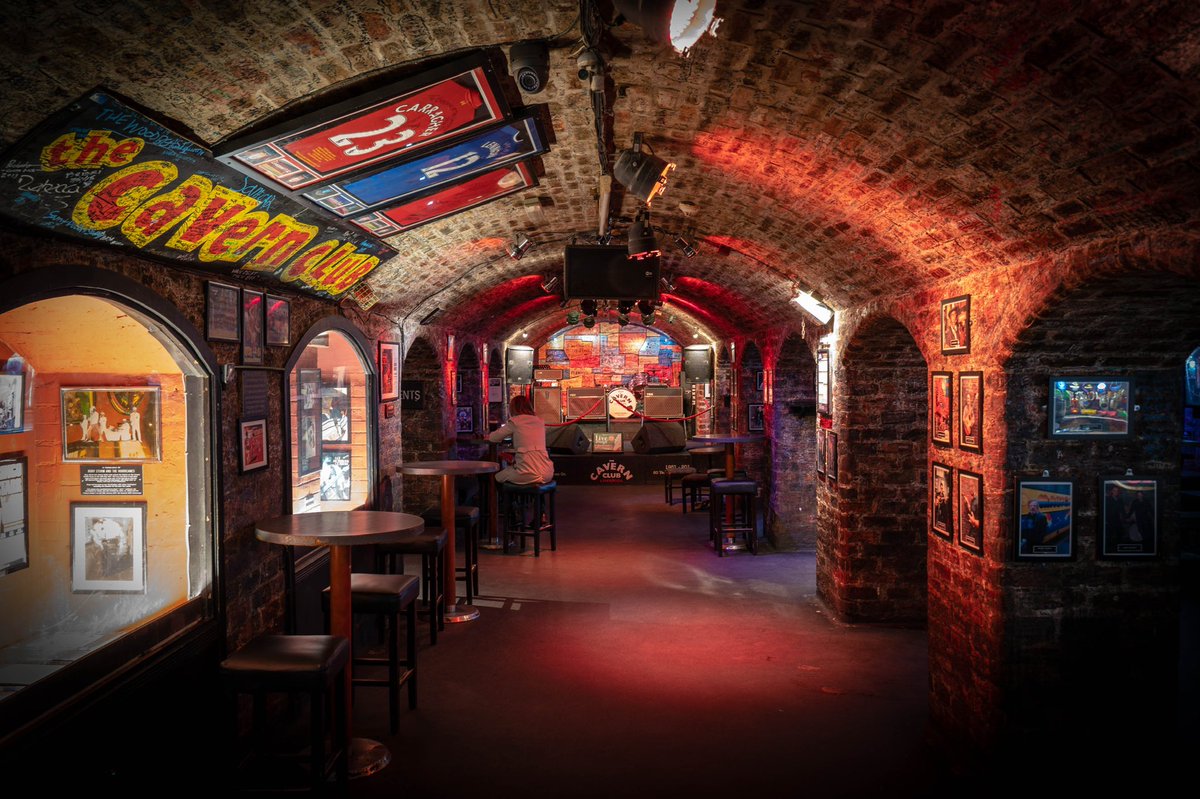
The Cavern Club
A must-visit for music fans, especially The Beatles enthusiasts. This legendary underground club hosted some of the band’s earliest performances and remains a key venue for live music.

St George’s Hall
A stunning neoclassical building in central Liverpool, featuring a grand concert hall and historic courtrooms. Its Corinthian columns and marble mosaics make it an architectural gem.
What museums are there in Liverpool?
The Beatles Story is a museum dedicated to the legendary band that changed the history of music. Located at Albert Dock, it takes visitors back to the early days of John, Paul, George, and Ringo in Liverpool, showcasing their rise to fame and global impact. Through recreations of iconic locations like The Cavern Club and Abbey Road Studios, along with personal artifacts and exclusive interviews, it offers an immersive experience for Beatles fans.
Meanwhile, the Merseyside Maritime Museum highlights Liverpool’s deep connection to the sea and its role as one of the world's most influential ports. Its exhibits cover transatlantic trade, migration, and naval history, including a special section dedicated to the Titanic, which was registered in Liverpool. The museum also houses the International Slavery Museum, which explores the city’s involvement in the transatlantic slave trade and its lasting impact.
For those interested in natural history and ancient civilizations, the World Museum is a must-visit. Its collections feature fossils, dinosaur skeletons, an extensive Egyptology exhibit with well-preserved mummies, and a planetarium offering insights into the universe.
Leisure in Liverpool
What is the nightlife like in Liverpool?
Liverpool offers a diverse nightlife scene with options for all tastes. From historic pubs and live music bars to modern clubs and venues featuring international DJs, the city comes alive when the sun goes down. Its most popular areas, such as Concert Square, Mathew Street, and Baltic Triangle, bring together a mix of styles, where music and a great atmosphere take center stage.

Heebie Jeebies
This live music bar with an alternative vibe has become a favorite among Liverpool’s young crowd. Its outdoor patio and indoor spaces provide the perfect setting to enjoy performances by emerging bands and DJs in a relaxed environment.

Level
One of the largest nightclubs in the city, featuring multiple floors with different music styles ranging from house and R&B to commercial hits. Its ability to attract a diverse crowd and its lively atmosphere make it a must-visit spot for those looking for a night out in Liverpool.
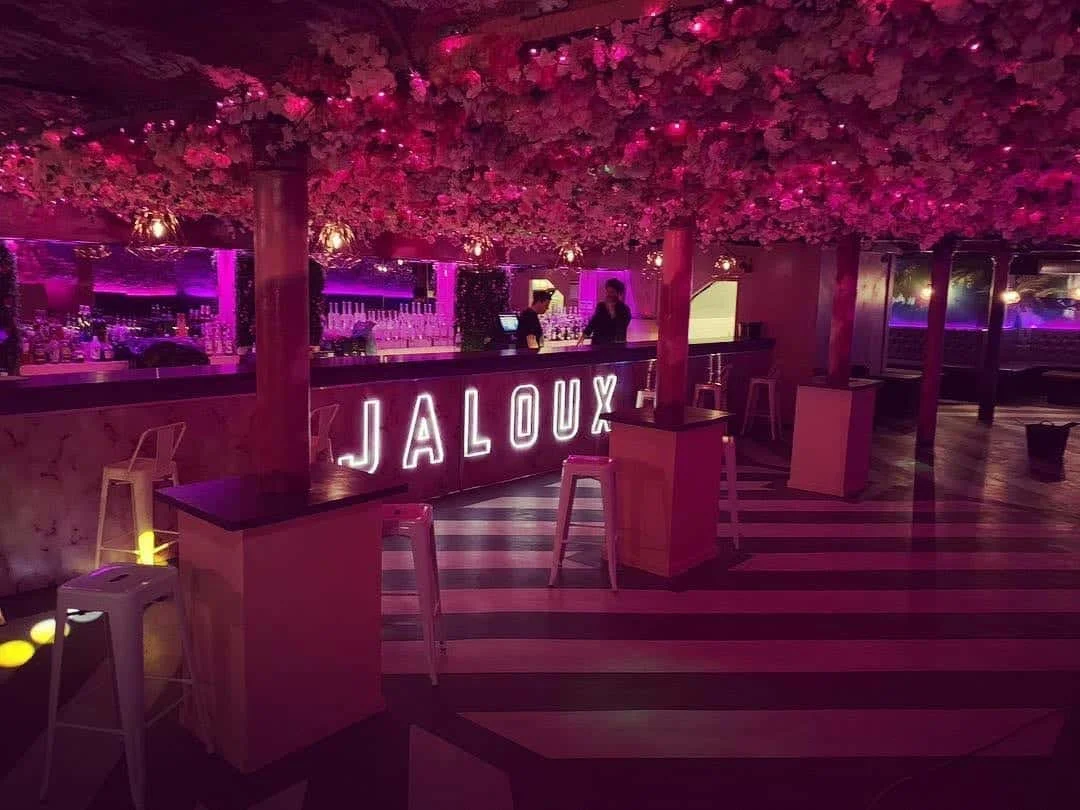
Jaloux
A bar and nightclub known for its eye-catching decor and exclusive ambiance. With a floral-inspired aesthetic and a carefully curated cocktail menu, it is a popular choice for those seeking a more sophisticated experience. While it is known for its intimate setting, its varied music selection and energetic atmosphere make it an appealing option for a night out in the city.
Where to go shopping in Liverpool?
Liverpool has several shopping areas that combine large shopping centers, independent stores, and traditional markets, catering to all budgets. The city brings together well-known brands and local businesses, offering everything from exclusive items to more affordable options. Whether in modern shopping galleries or charming streets, each area provides a unique experience for those who enjoy shopping.
One of the main shopping destinations is Liverpool ONE, a modern open-air complex with over 170 stores, restaurants, and entertainment options in the heart of the city. Its design and diverse selection make it a key spot for both locals and visitors. For a more alternative atmosphere, Bold Street is known for its independent shops, bookstores, and cafés—perfect for discovering unique fashion and artisanal products. Meanwhile, Metquarter focuses on luxury shopping, featuring exclusive boutiques, designer brands, and spaces dedicated to art and beauty, creating a sophisticated retail experience.





.jpg)

.jpg)
%201.png)
.jpg)
.jpg)

.jpg)